
What Does "Hut-to-Hut" Actually Mean in Switzerland?
If you've been dreaming about doing a hut-to-hut trek in the Swiss Alps, you're not alone. It's one of the most common requests I get from travelers. But here's the thing: what "hut-to-hut" means in Switzerland might be different from what you're picturing.
Let me explain.
The Traditional Swiss Hut-to-Hut Experience
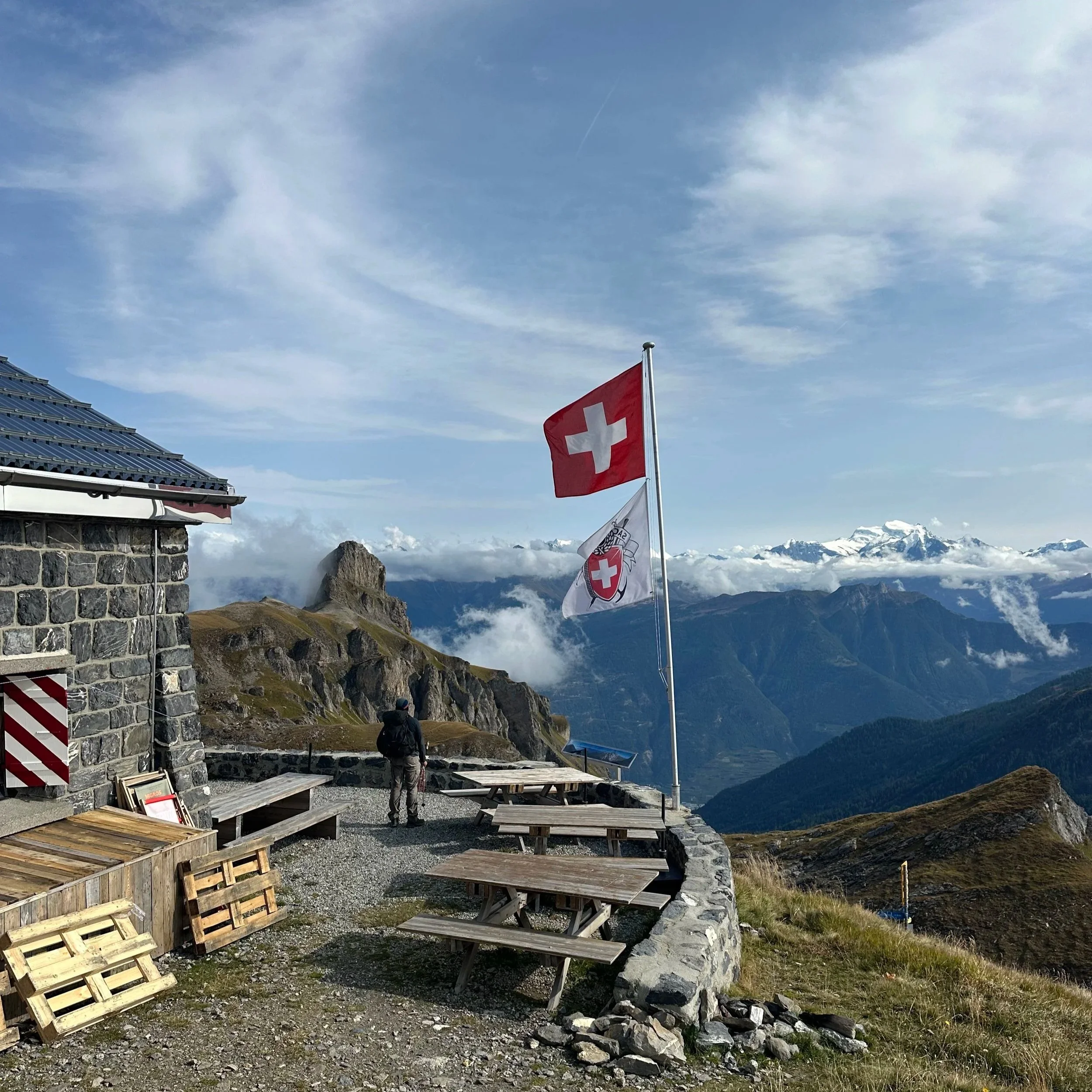
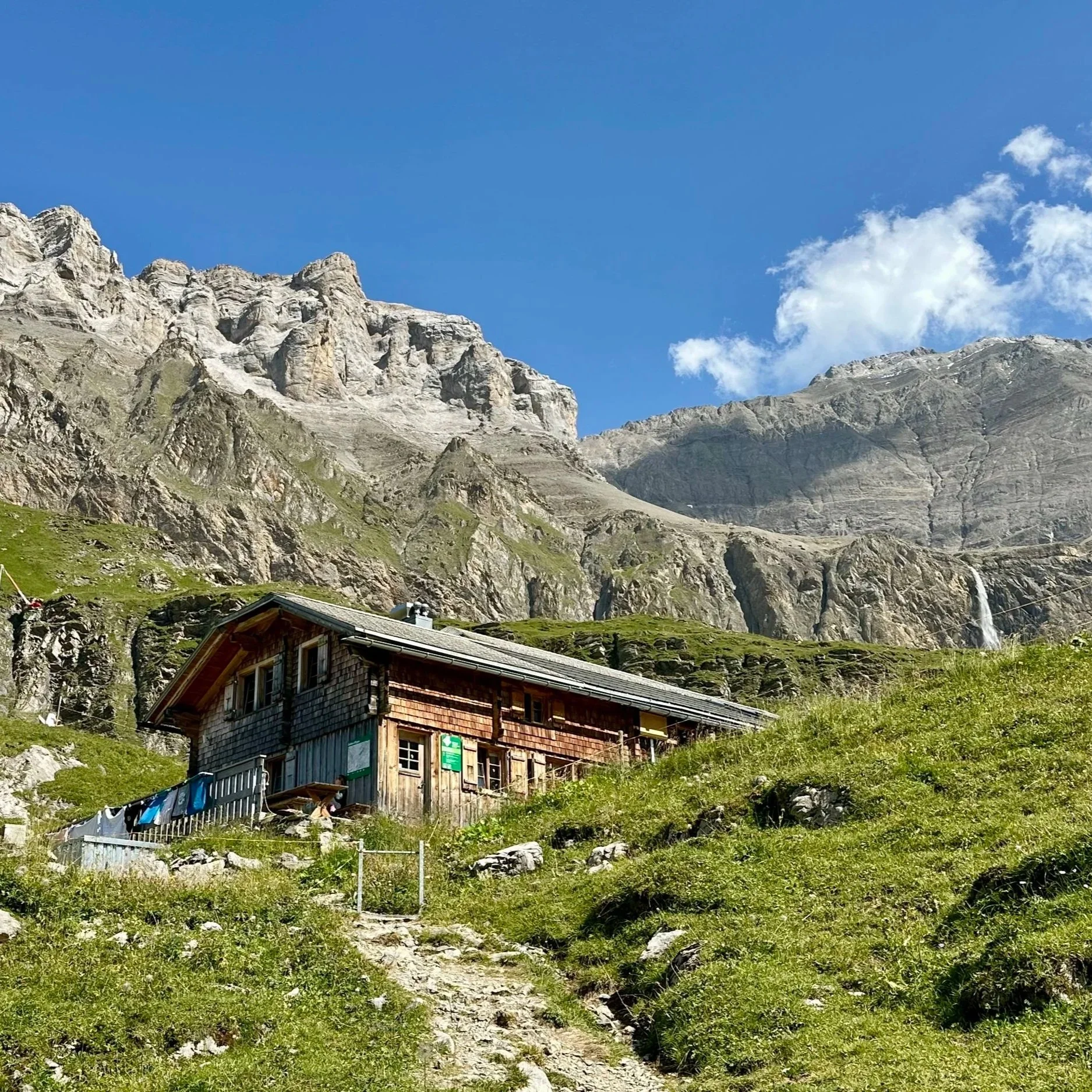
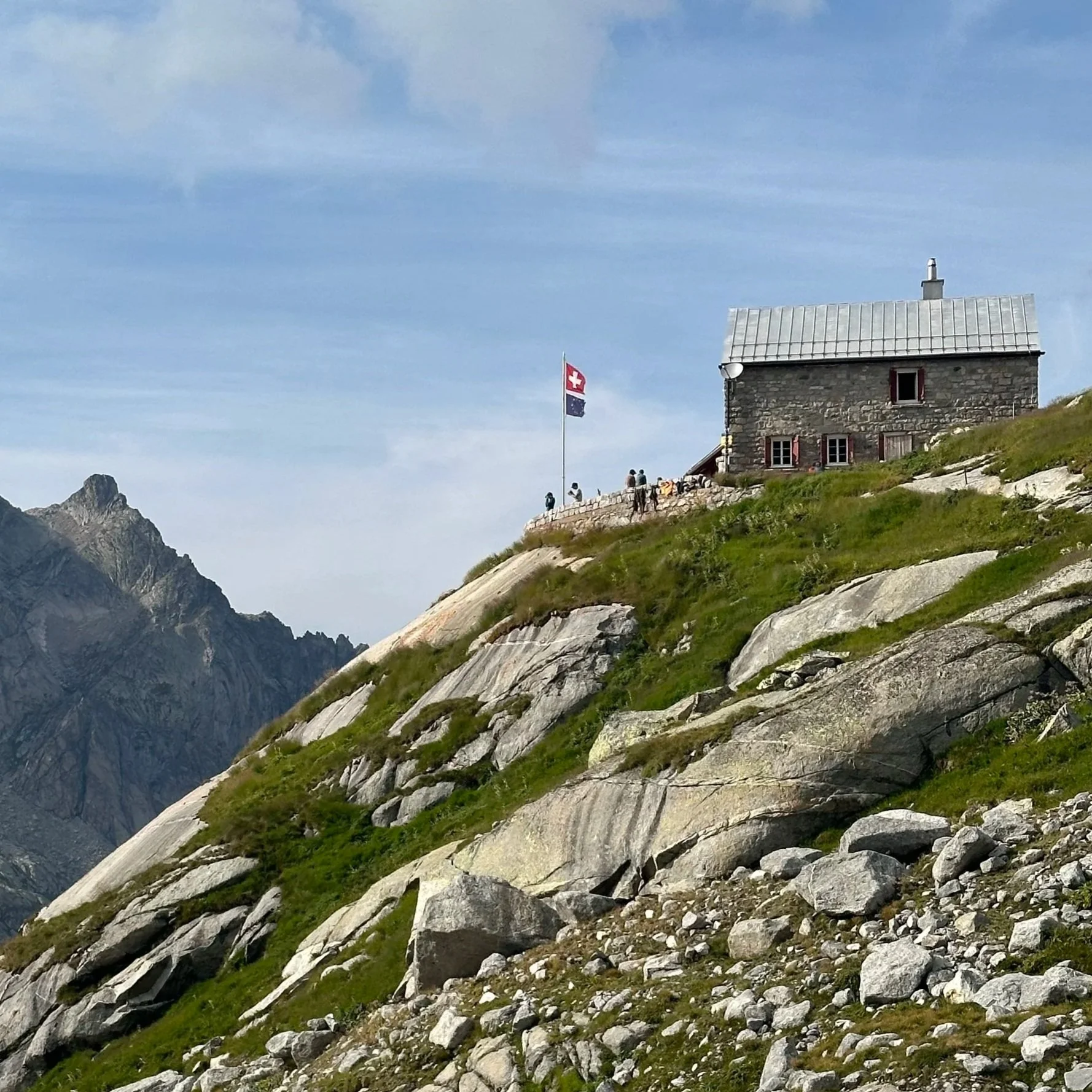
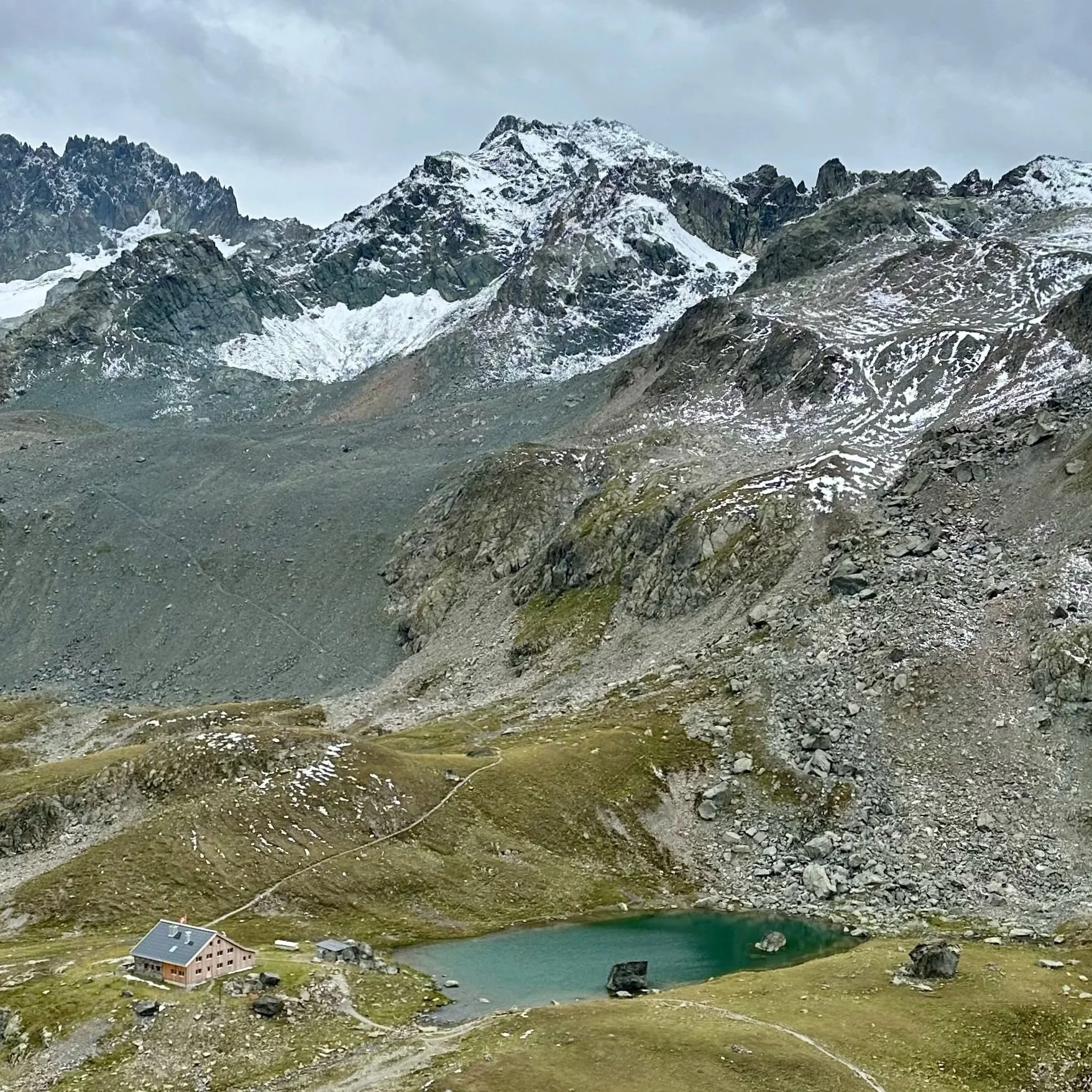
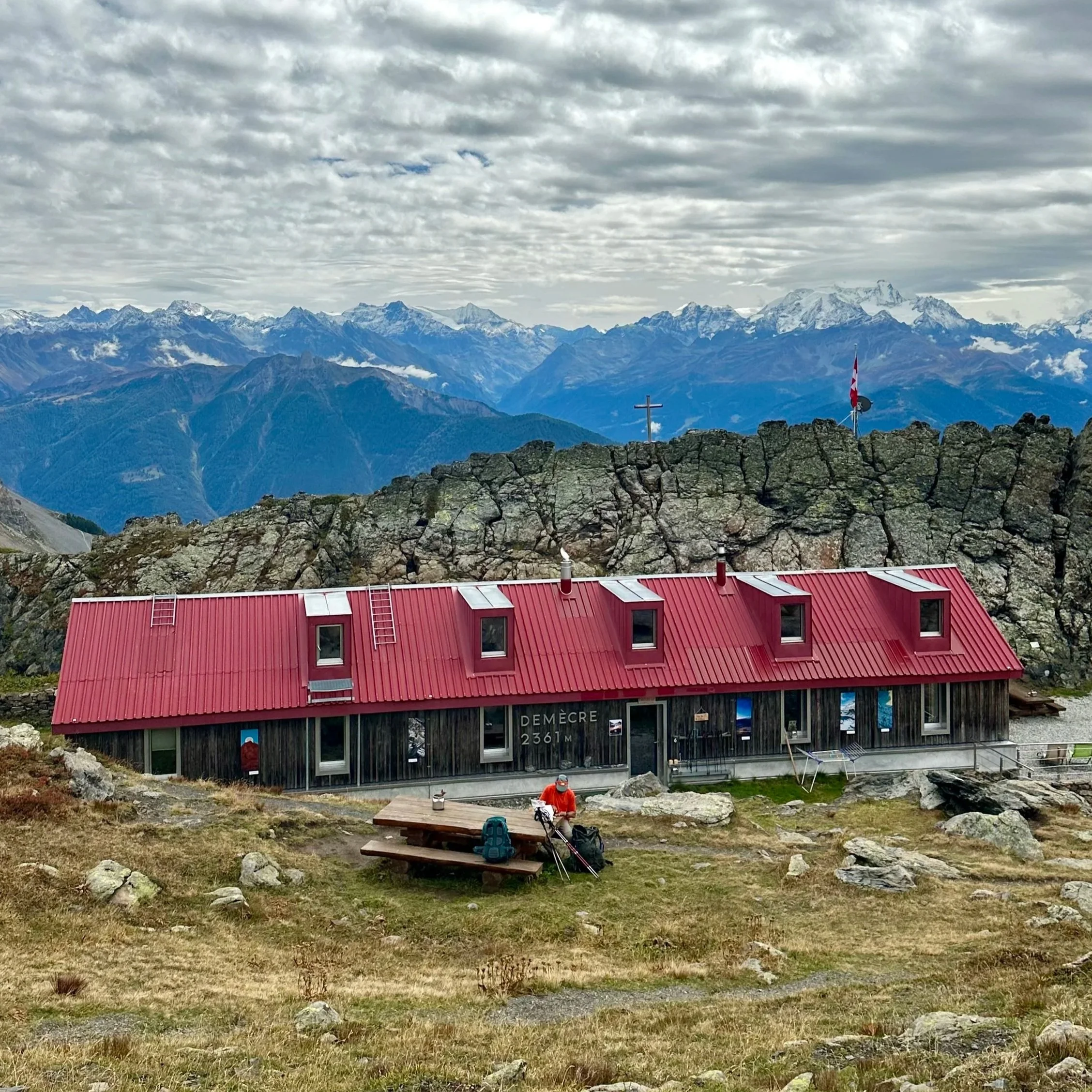
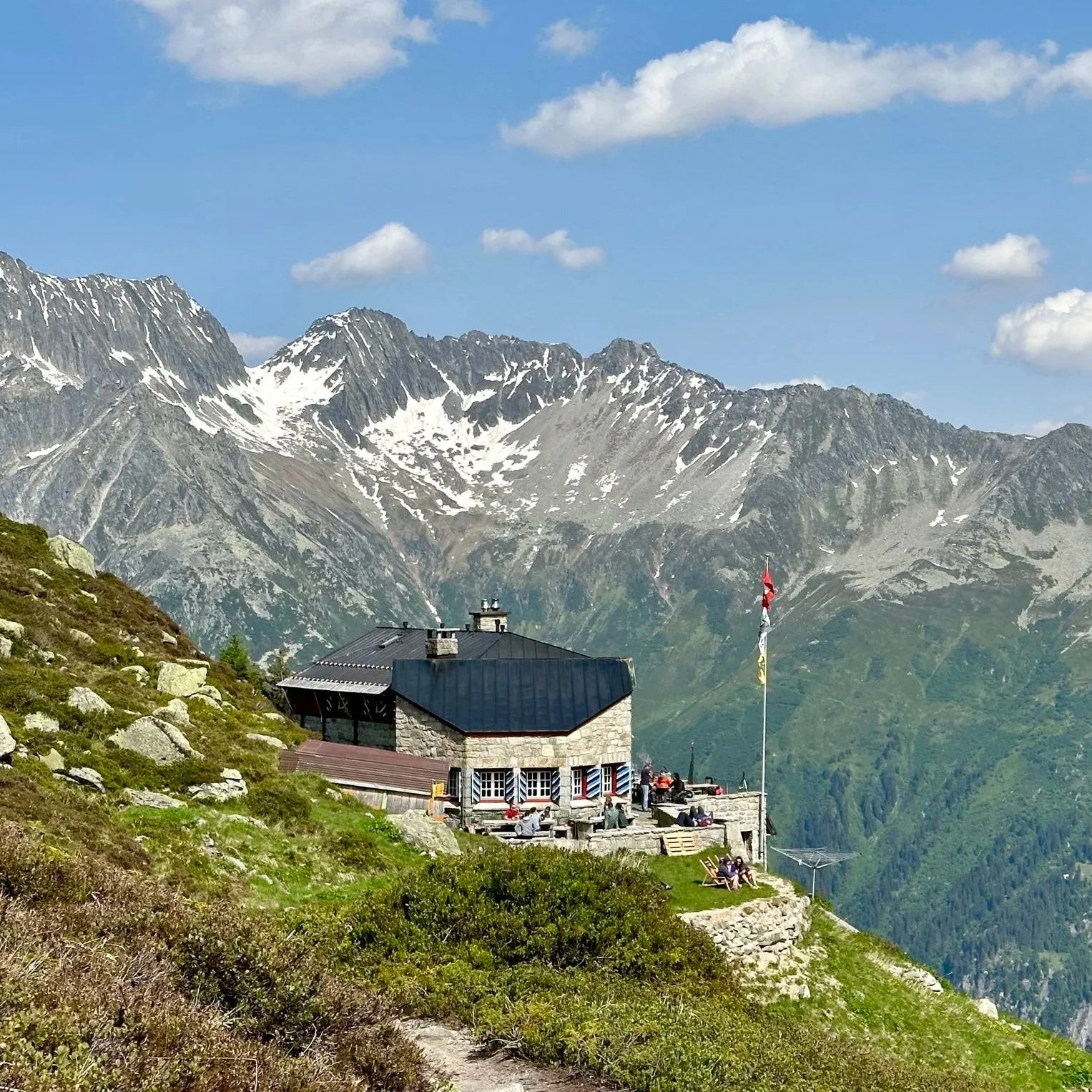
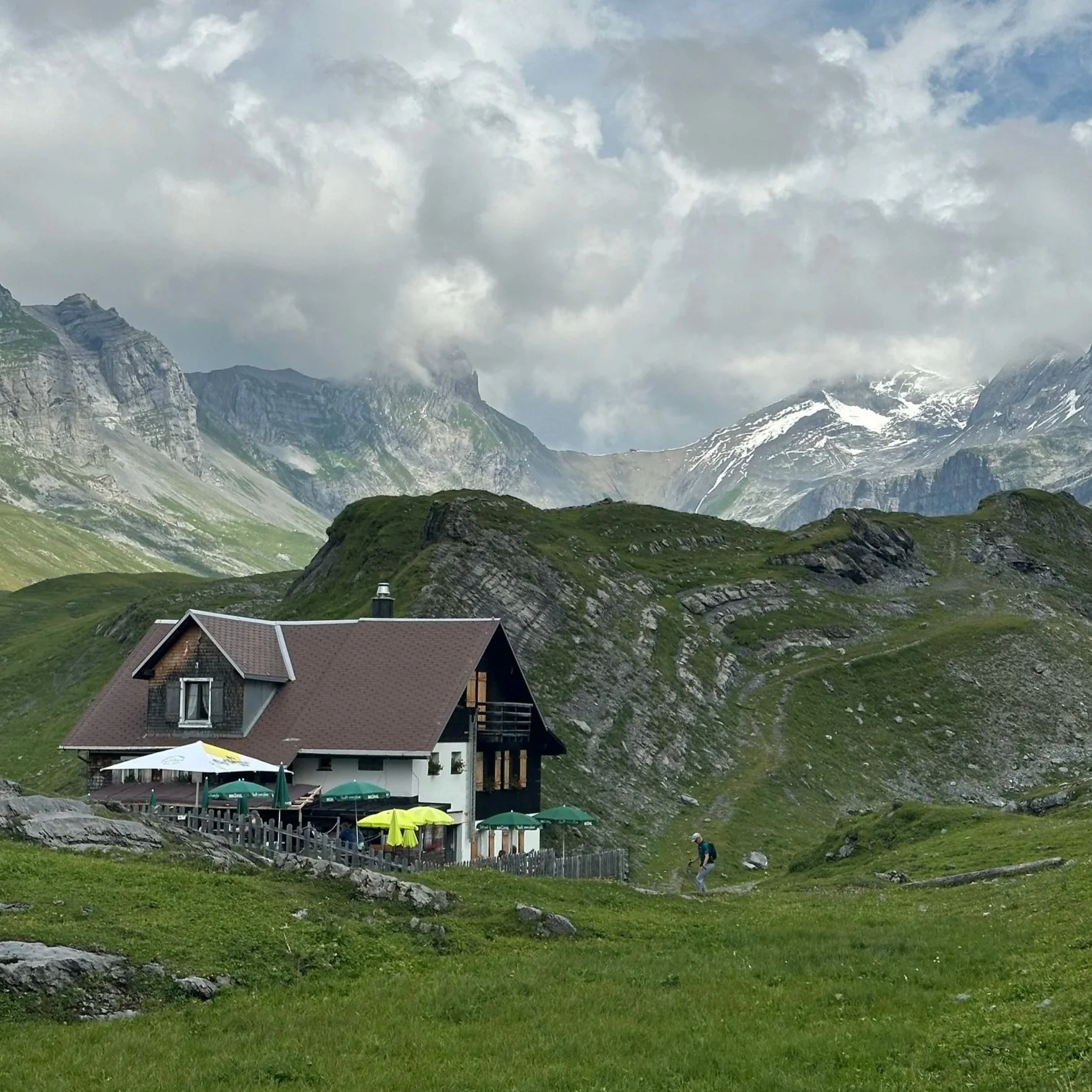
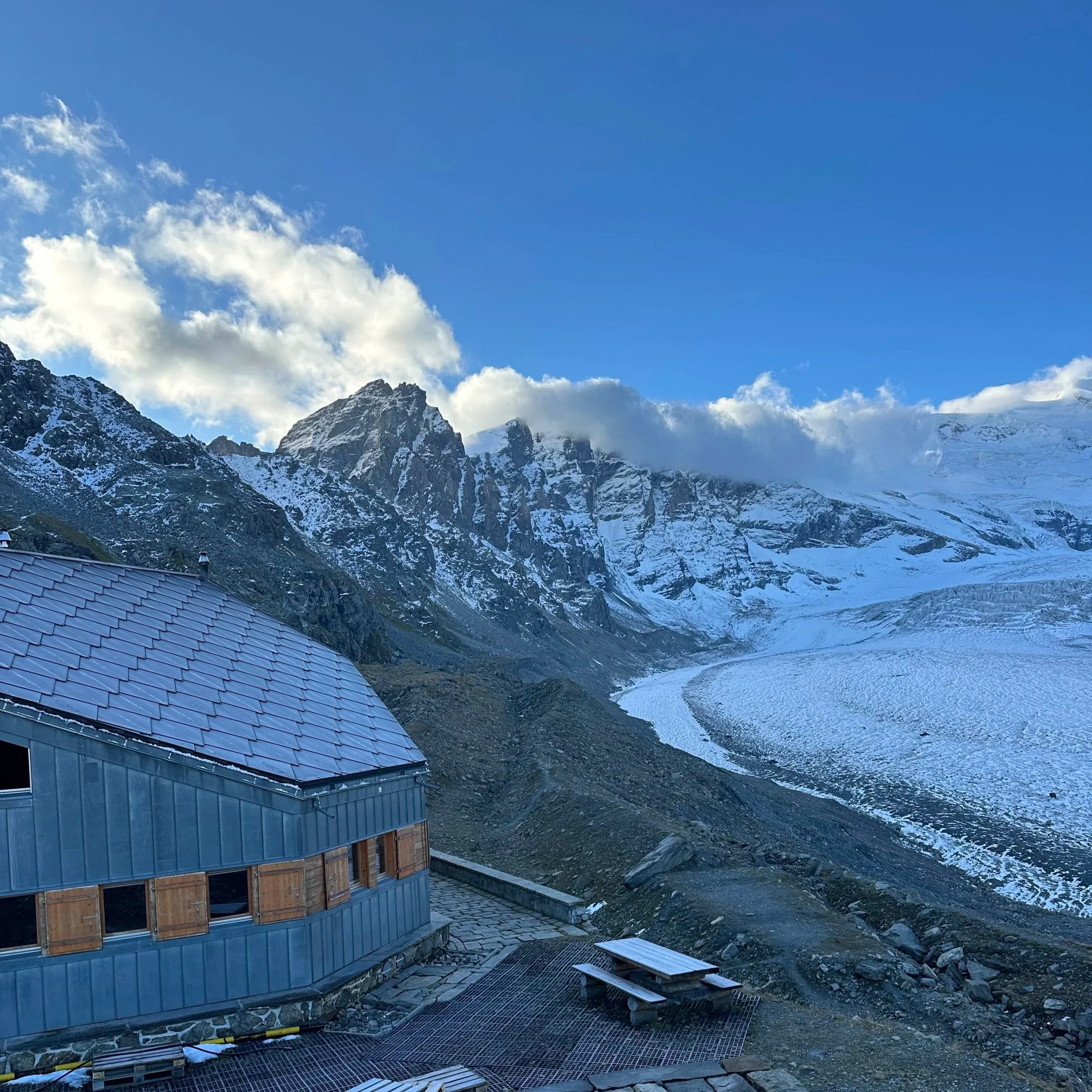
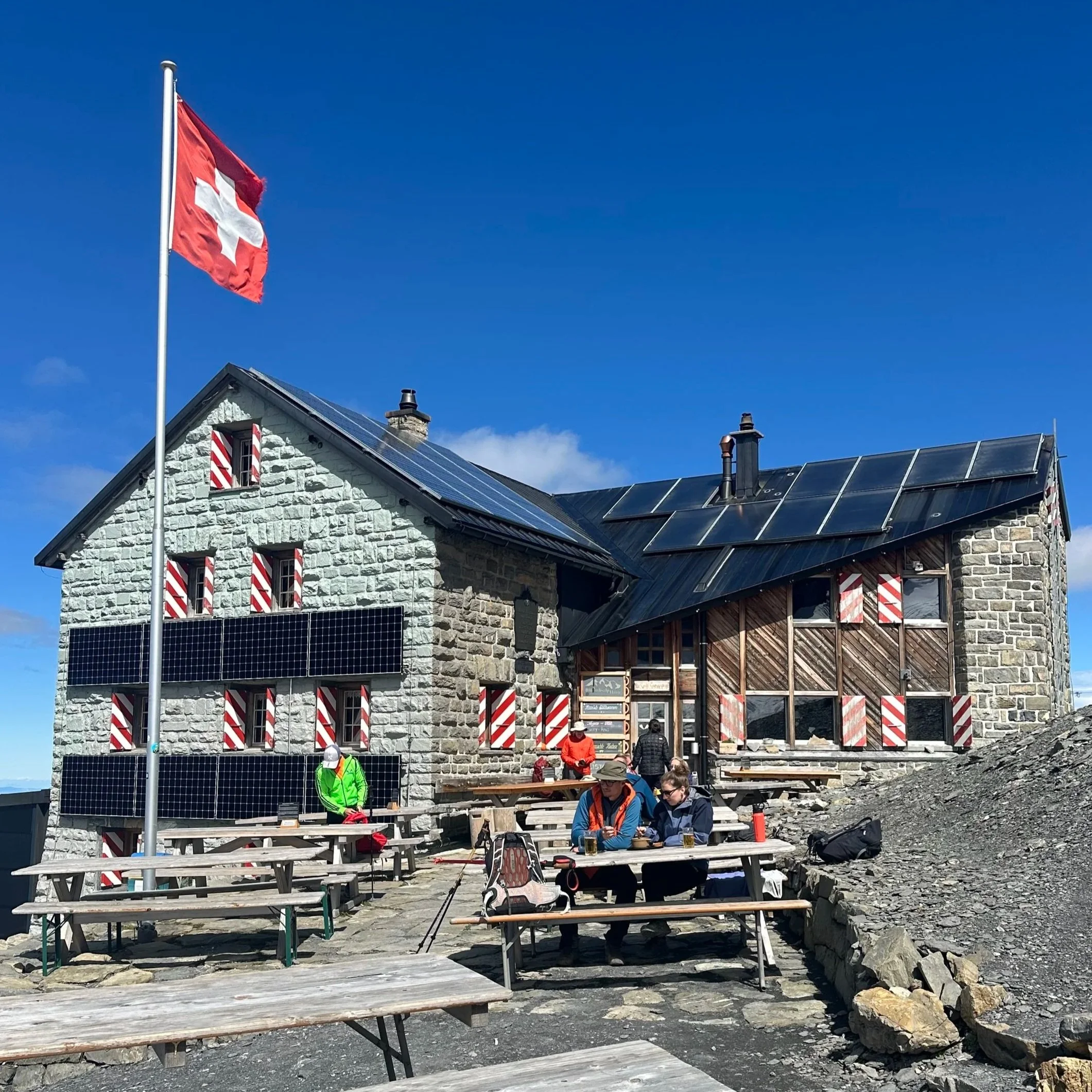
In Switzerland, when we talk about hut-to-hut hiking, we are generally referring to a very specific type of accommodation: SAC (Swiss Alpine Club) mountain huts. These are remote refuges tucked away in the high alps, accessible only on foot, that have been around for decades (or sometimes centuries - although they have been refurbished since the late 1800s, don’t worry!)
Here's what an experience in a mountain hut typically looks like:
Dormitory-style sleeping. You'll be sharing a room with anywhere from 4 to 20+ other hikers. Sometimes the beds are in bunk-style, sometimes it’s just one long mattress where you’ll sleep side-by-side with your neighbor.
Half-board included. Dinner and breakfast come with your stay. A hearty three-course dinner is served family-style, and you’ll eat with your fellow hikers. Breakfast is on the lighter side (bread, jam, coffee, etc), and usually between 7-8am.
Remote locations. These huts are generally in places you can only reach by foot. No roads, no cars, no gondolas.
Limited facilities. That means shared bathrooms, and in many huts, limited or no showers. Some remote huts don’t have running water and rely on dry toilets. It's simple, functional, and designed for mountain life.
Authentic alpine culture. This is how the Swiss have been hiking for generations. The hut wardens, the rituals, the atmosphere—it's the real deal and a really special experience.
But "Hut-to-Hut" Can Mean Something Else, Too
Now, if you're coming from North America or other parts of the world, your idea of "hut-to-hut" might be broader. You might simply be imagining any multi-day trek where you move from one accommodation to another without camping—hiking with just a daypack and sleeping in a real bed each night.
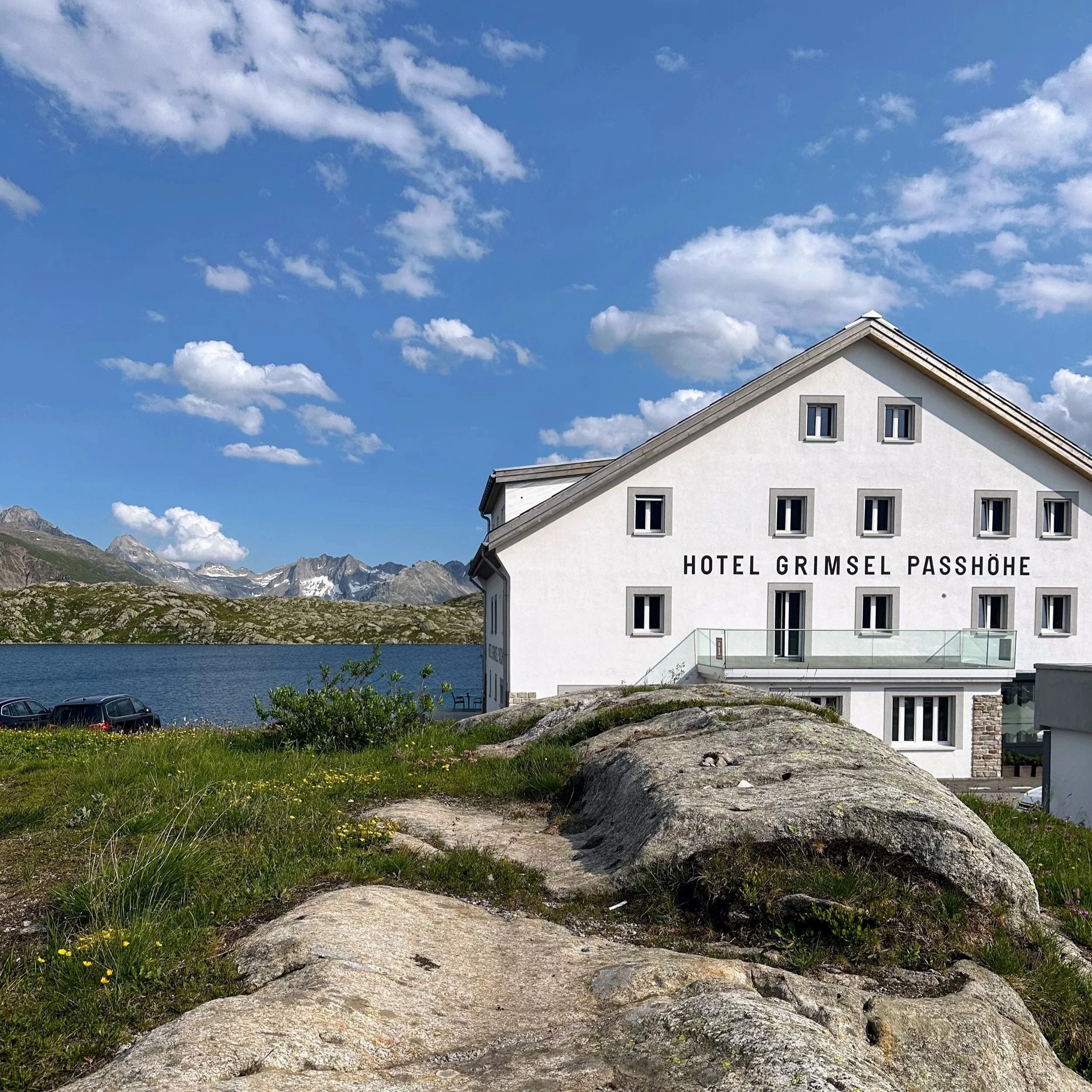
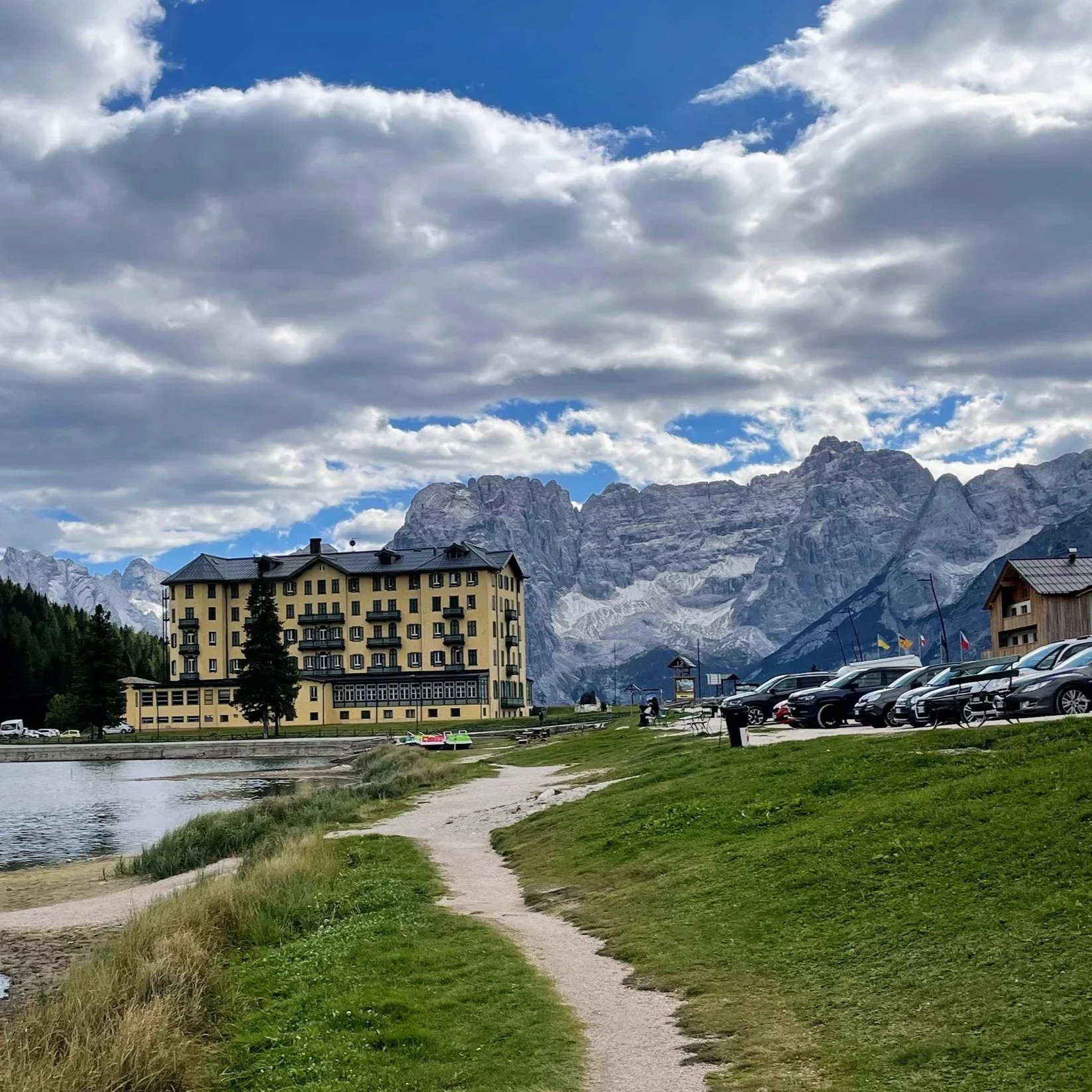
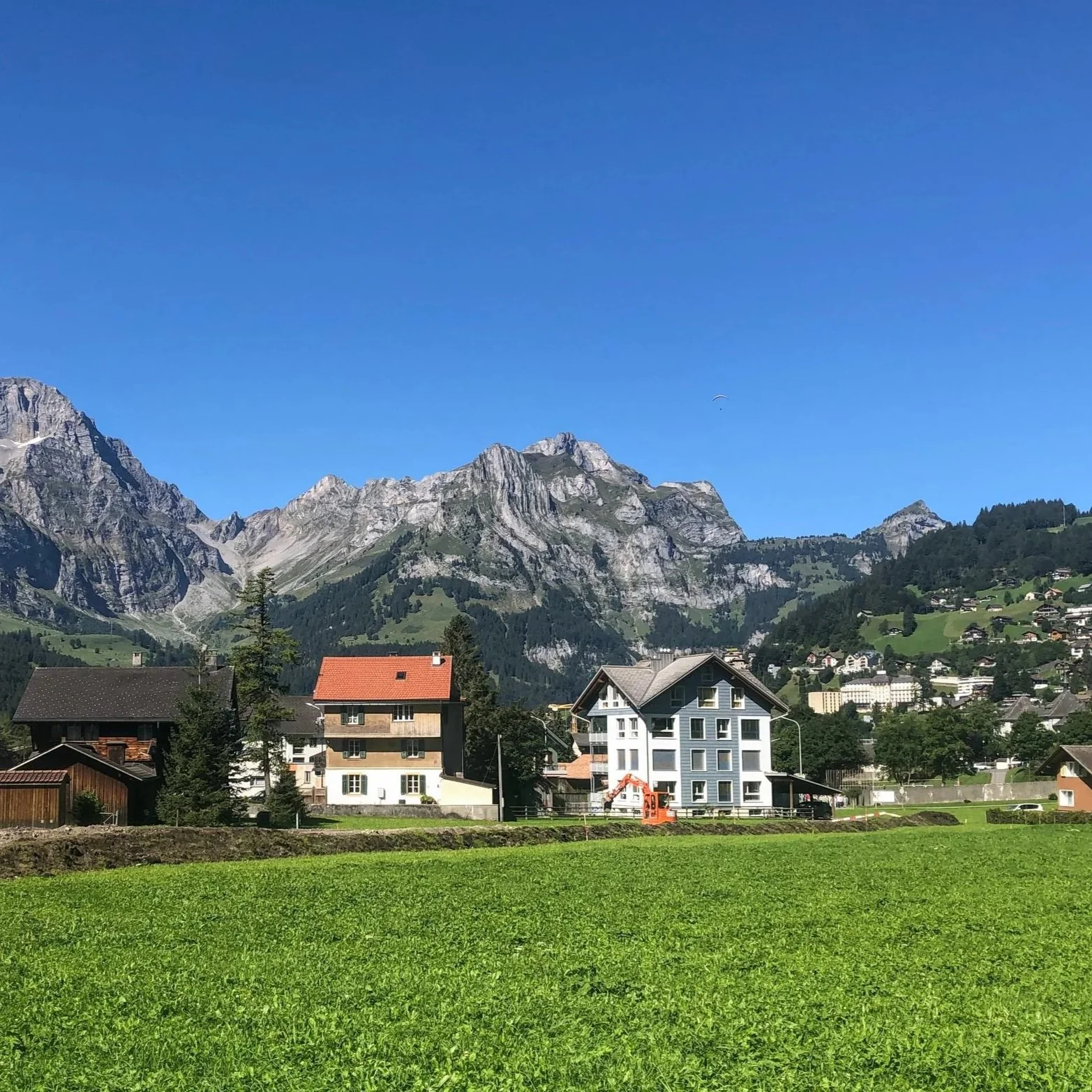
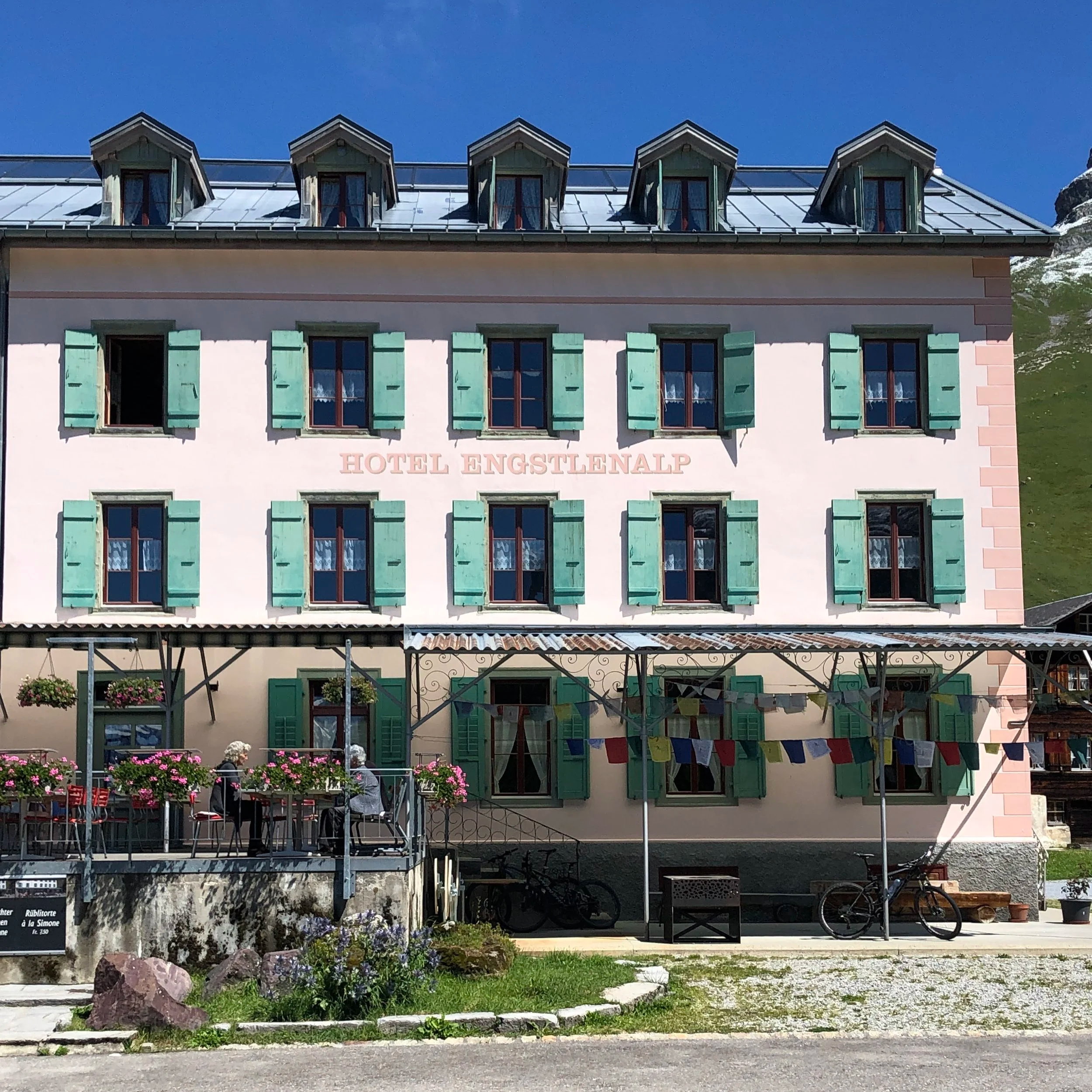
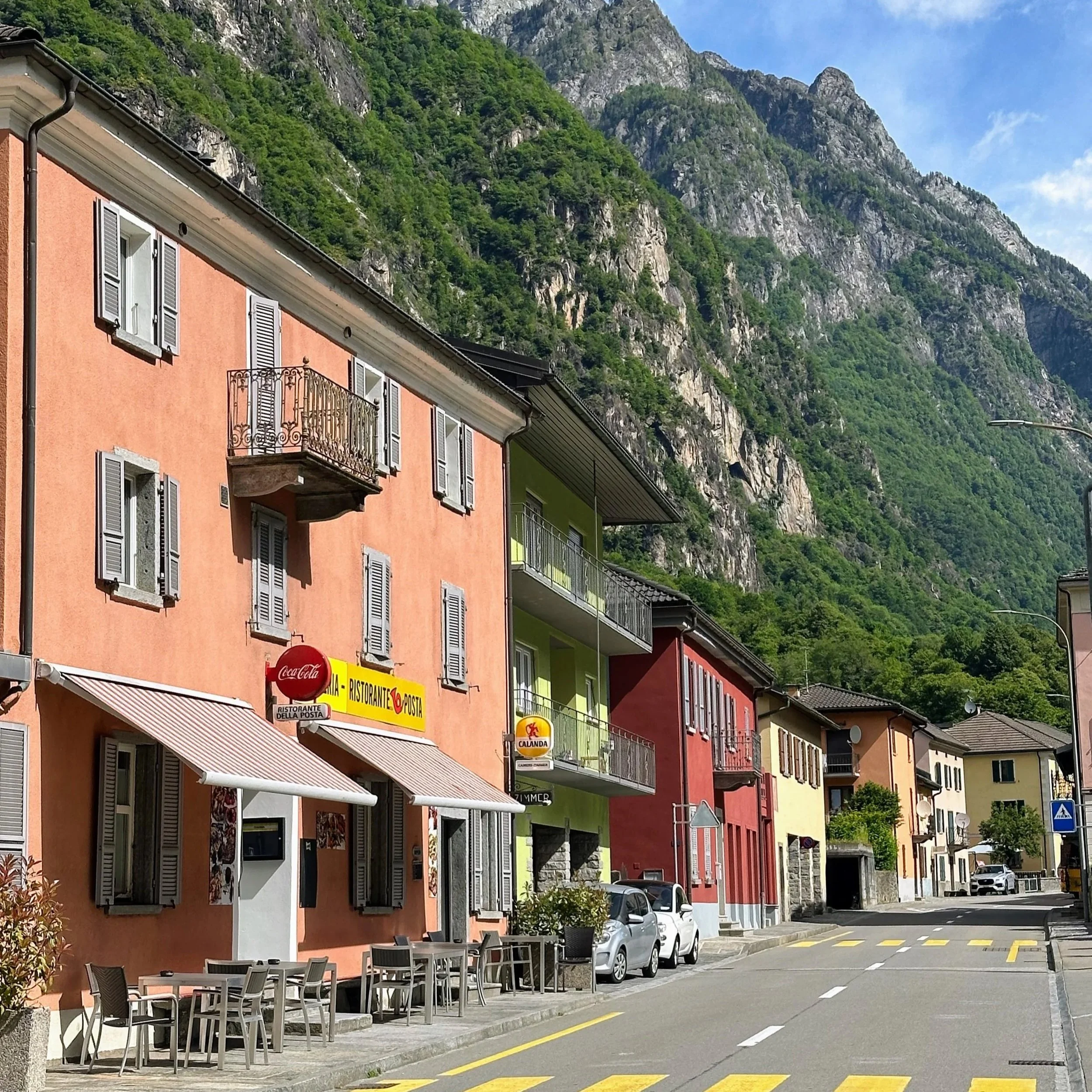
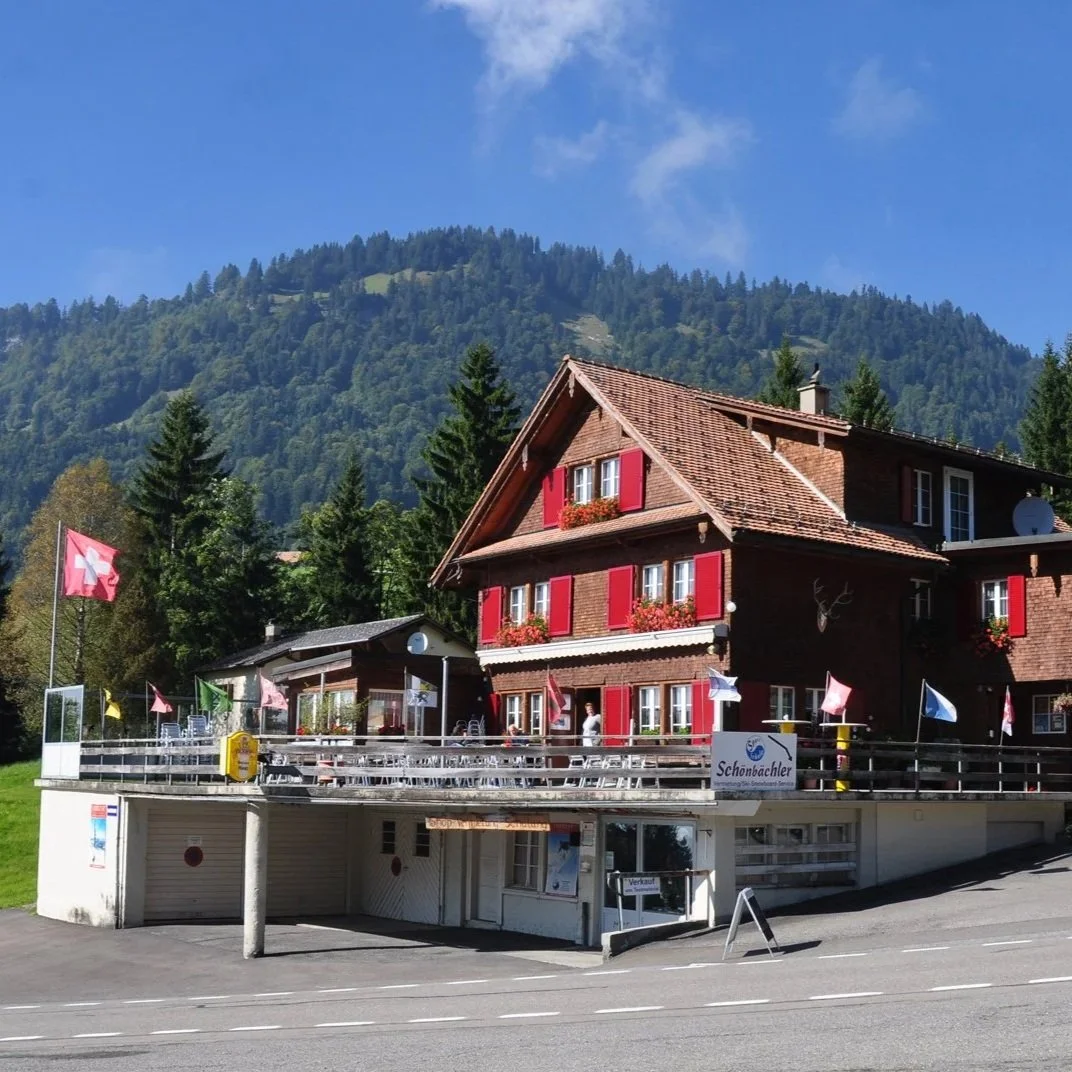
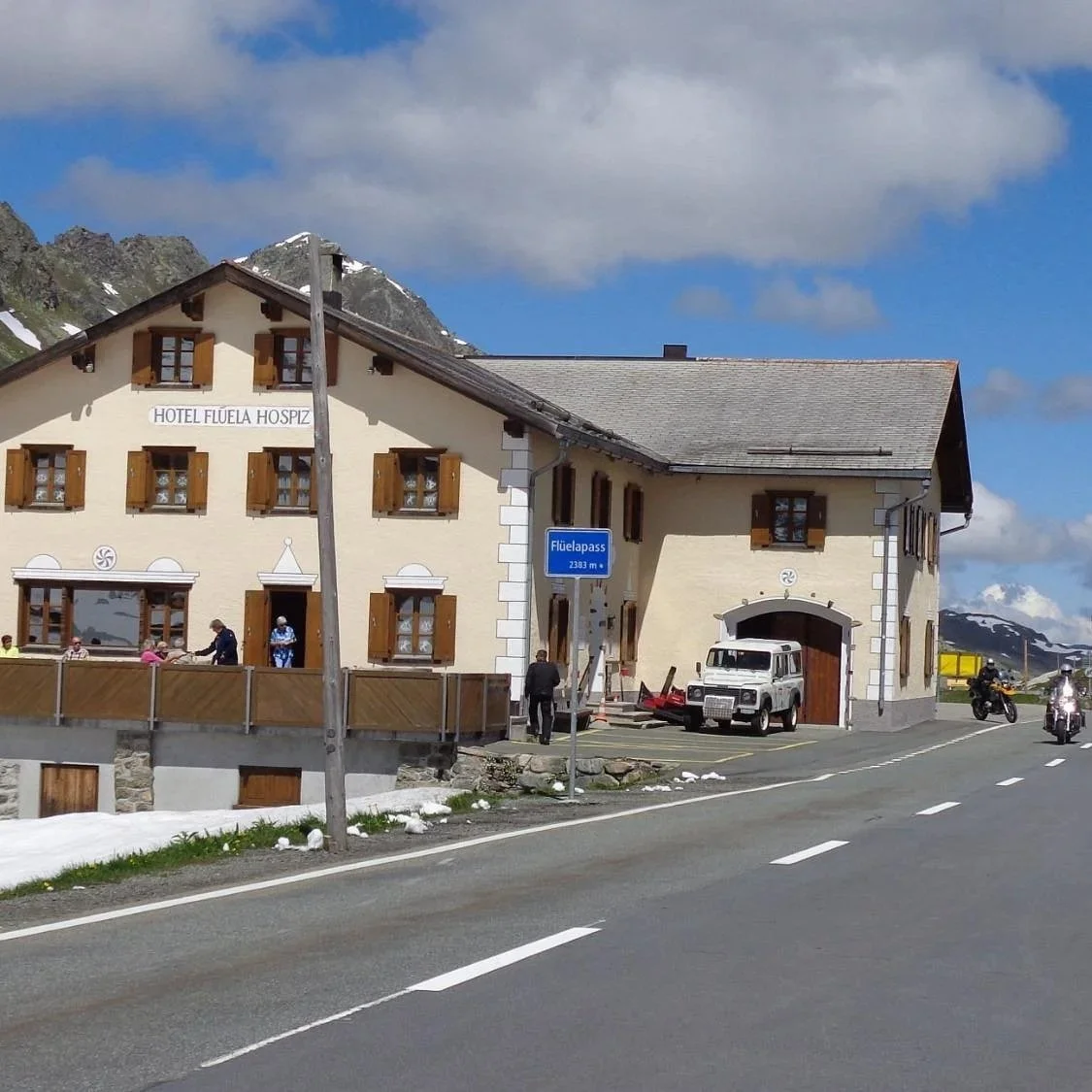
And that's completely valid! Switzerland definitely offers this style of trekking, where you would utilize mountain inns, berghotels, village guesthouses, and hotels instead of (or in addition to) SAC mountain huts. These can range from historic mountain hotels to modern village accommodations. Here's what that experience typically looks like:
Private rooms available. Most of these places offer private rooms (though some also have dormitory options), giving you more privacy and comfort at the end of the day.
Ensuite or private bathrooms. Hot showers, private toilets—the amenities you'd expect from a hotel or guesthouse.
Breakfast included, dinner à la carte. Breakfast typically comes with your stay, but dinner is usually ordered from an on-site restaurant or eaten in the village. Some places do offer half-board, but it's not standard (or family-style) like it is at SAC huts.
Accessible by car, bus, or gondola. These accommodations are connected to roads and infrastructure. They might be still be nestled in beautiful alpine valleys or even on mountainsides with spectacular views, but they're not foot-access-only wilderness.
With this style of hiking, you're still moving through mountain settings—and the hiking itself can be just as demanding as a traditional hut-to-hut trek. You're just ending each day with more creature comforts and easier logistics.
The Real Difference
Here's what it comes down to: SAC mountain huts are truly IN the mountains—accessible only by foot, perched in remote alpine locations where you're immersed in nature for days at a time. You're often staying above treeline, surrounded by peaks, normally around 2,000-3,000 meters elevation.
Other accommodations, even gorgeous ones in mountainous areas, are connected to civilization. They offer more comfort, more privacy, and easier logistics—but you're not really “off the grid.” One hiker explained it like this, which I thought was helpful:
“In huts, you are in or on the mountain. In other places, you are looking at the mountains.”
In practice, many multi-day Swiss treks use a combination of both. You might spend a couple of nights at a remote SAC hut deep in the mountains, then drop into a valley village with a comfortable guesthouse for a rest day before heading back up high. It all depends on the route and the region.
So, Which One Is Right for You?
That depends on what kind of experience you're after. The traditional SAC hut experience is incredible if you want to fully immerse yourself in Swiss alpine culture, don't mind shared spaces, and want to stay in some of the most remote, spectacular locations in the Alps. But if you're looking for more privacy, comfort, or amenities after a long day of hiking, there are certainly other ways to structure a multi-day trek.
Wondering which experience feels more "local"? Here's something worth knowing: apart from huts on internationally famous routes like the Tour du Mont Blanc, Haute Route, or Via Alpina, mountain huts are largely frequented by Swiss locals. Village hotels and guesthouses tend to attract more international travelers. This isn't a hard and fast rule—just a general pattern I've noticed over the years. So if you're looking for that authentic Swiss hiking culture, the traditional hut experience often delivers.
The good news? Most routes will naturally use a mix of accommodation types depending on the region and terrain. Some nights you might stay in a traditional hut high in the mountains, other nights in a village guesthouse. It all depends on where the trail takes you.
Planning Your Trek
When you're planning your Switzerland hiking adventure, it's helpful to think about what matters most to you. Are you excited about the dormitory experience and communal meals? Or would you prefer the option of a private room and a hot shower? There's no wrong choice here—it's really about knowing what to expect. Understanding these differences is especially important if you're picturing a village hotel trek but book something that turns out to be traditional SAC huts...or vice versa!
If you're not sure what would work best for your trip, that's exactly what I'm here to help with. I can walk you through the options, explain what's possible on different routes, and create an itinerary that matches your comfort level and hiking goals.
Because at the end of the day, the best hut-to-hut trek is the one that feels right for you.
Ready to start planning?Book a consultation or request a custom itinerary and let's talk about what your Swiss Alps adventure could look like.